The Difference Engine

The Difference Engine

William Gibson, Bruce Sterling

William Gibson, Bruce Sterling

1855: The Industrial Revolution is in full and inexorable swing, powered by steam-driven cybernetic Engines. Charles Babbage perfects his Analytical Engine and the computer age arrives a century ahead of its time. And three extraordinary characters race toward a rendezvous with history--and the future: Sybil Gerard--a fallen woman, politician's tart, daughter of a Luddite agitator Edward "Leviathan" Mallory--explorer and paleontologist Laurence Oliphant--diplomat, mystic, and spy. Their adventure begins with the discovery of a box of punched Engine cards of unknown origin and purpose. Cards someone wants badly enough to kill for.... Part detective story, part historical thriller, The Difference Engine is the collaborative masterpiece by two of the most acclaimed science fiction authors writing today. Provocative, compelling, intensely imagined, it is a startling extension of Gibson's and...
Read online
  • 531
Sharyn Mccrumb_Elizabeth MacPherson_05

Sharyn Mccrumb_Elizabeth MacPherson_05

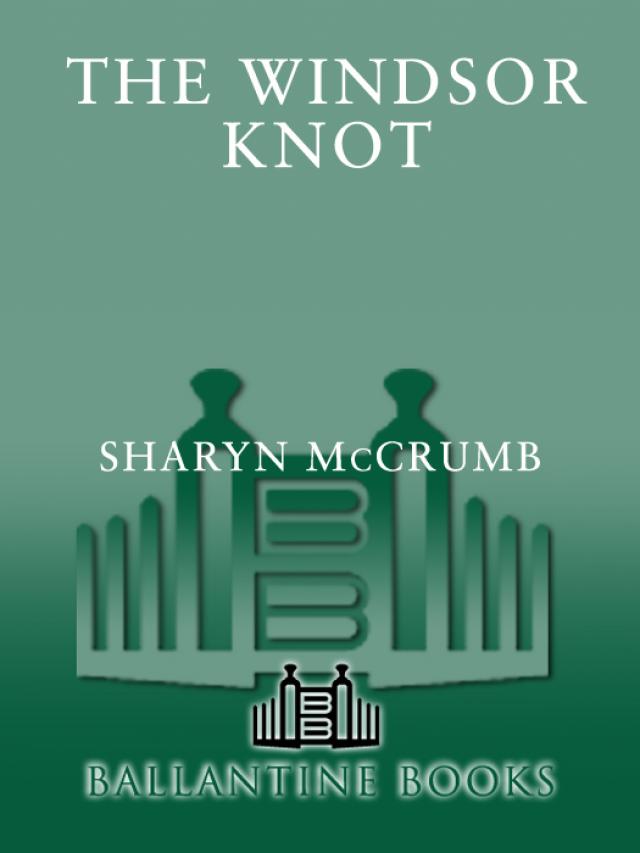
The Windsor Knot

The Windsor Knot

"Delicious. Delightful. A Royal entertainment."Carolyn G. Hart If forensic anthropologist and ameteur slueth Elizabeth MacPherson is to have tea with the Queen of England, she has to get married first. And in the space of five weeks, she plans to do just that. When an old neighbor receives word that her husband has died again, it's up to Elizabeth to determine just whose ashes the double widow has been cursing at all these years....From Mystery Writers of America award winner Sharyn McCrumb, author of MacPHERSON'S LAMENT, and IF I'D KILLED HIM WHEN I MET HIM... AnnotationThe fifth comedy-tinged thriller in the critically acclaimed Elizabeth MacPherson mystery series. In between planning a formal wedding and completing her doctoral research, Elizabeth investigates the death of a man who reportedly died five years before--and his widow has an urn of ashes to prove it!
Read online
  • 531
Richard Cowper

Richard Cowper

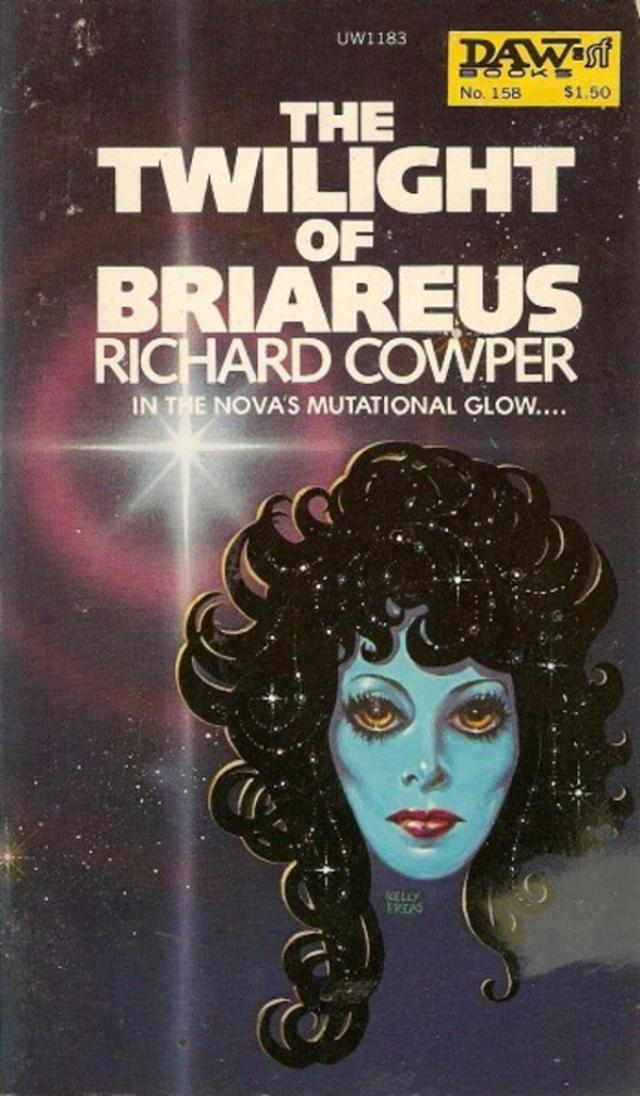
The Twilight of Briareus

The Twilight of Briareus

On the murky outskirts of our solar system, a lonely star has exploded, emitting monstrous doses of radiation . . . The year is 1983. The exploding star Briareus Delta, 132 light years away, provokes only mild interest from planet Earth. Suddenly, appalling tornadoes and storms ravage the cities and countryside, leaving death and desolation in their wake. Then mankind realises another terrifying side-effect - every adult in the world has been rendered infertile. Schoolteacher Calvin Johnson discovers he is one of the select few to have acquired strange psychic powers. Termed 'Zetas', these people experience mental flashes of the future - a future of freezing isolation, snow-swept landscapes and bleak, ice-bound cities.A second ice-age is imminent as man faces the ultimate horror . . . extinction.
Read online
  • 525
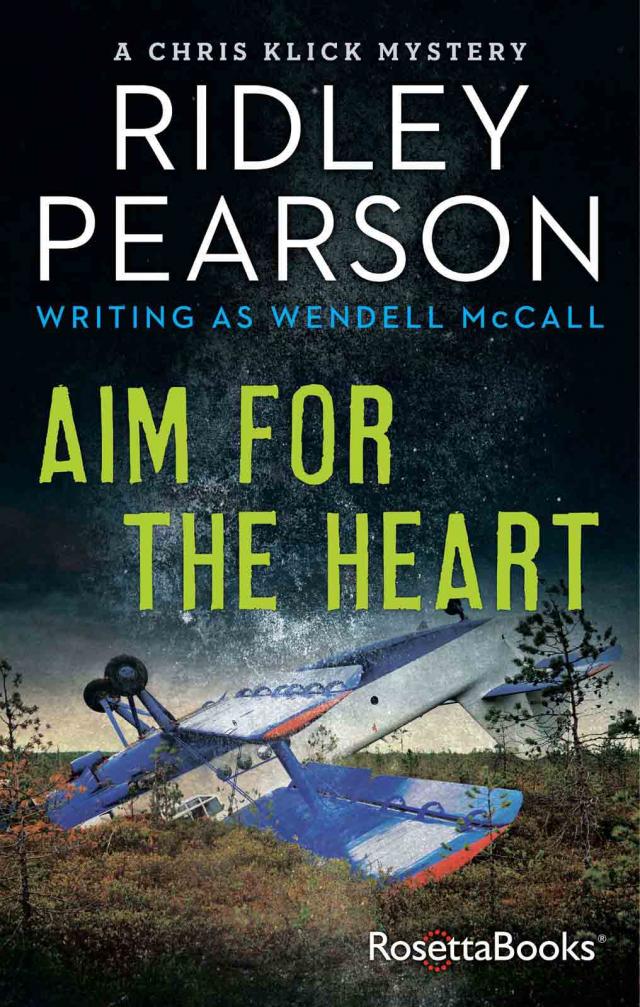
Aim for the Heart

Aim for the Heart

Ridley Pearson

Ridley Pearson

An Idaho sleuth hunts a missing woman after a series of bizarre accidents, in this mystery from the #1 New York Times–bestselling author. After a small plane plummets into a gas station in rural Idaho, ex-musician and sometime-sleuth Chris Klick knows that his dream of a quieter, simpler life far from Los Angeles may not be as easy to achieve as he hoped . . . Now he must team up with his buddy Lyel to track down a missing county courthouse employee connected to the plane crash and other freak accidents. Was she kidnapped? Is she on the run from her creditors? Searching for answers and finding only trouble, Klick's questions pile up as the stakes climb ever higher. Originally published under the name Wendell McCall, this is the follow-up to Dead Aim, a mystery which "balances all the best P.I. elements with a lyrical sense of the country . . . Sardonic, wry, and remarkable in both plotting and pacing" (Kirkus...
Read online
  • 519
Eric

Eric

Terry Pratchett

Fantasy; Science Fiction / Humor and Comedy / Children's

Discworld's only demonology hacker, Eric, is about to make life very difficult for the rest of Ankh-Morpork's denizens. This would-be Faust is very bad. . . at his work, that is. All he wants is to fulfill three little wishes:to live forever, to be master of the universe, and to have a stylin' hot babe. But Eric isn't even good at getting his own way. Instead of a powerful demon, he conjures, well, Rincewind, a wizard whose incompetence is matched only by Eric's. And as if that wasn't bad enough, that lovable travel accessory the Luggage has arrived, too. Accompanied by his best friends, there's only one thing Eric wishes now -- that he'd never been born!
Read online
  • 517
The Fourth K

The Fourth K

Mario Puzo

Literature & Fiction / Classics / Mafia

A PRESIDENTIAL DYNASTY. AN ARAB TERRORIST ATTACK. DEMOCRACY UNDER SIEGE. Mario Puzo envisioned it all in his eerily prescient 1991 novel, The Fourth K. **President Francis Xavier Kennedy is elected to office, in large part, thanks to the legacy of his forebears– good looks, privilege, wealth–and is the very embodiment of youthful optimism. Too soon, however, he is beaten down by the political process and, disabused of his ideals, he becomes a leader totally unlike what he has been before. When his daughter becomes a pawn in a brutal terrorist plot, Kennedy, who has obsessively kept alive the memory of his uncles’ assassinations, activates all his power to retaliate in a series of violent measures. As the explosive events unfold, the world and those closest to him look on with both awe and horror. From the Paperback edition.
Read online
  • 517
From the Kingdom of Memory: Reminiscences

From the Kingdom of Memory: Reminiscences

Elie Wiesel

Memoir / Fiction

"One of the great writers of our generation" (The New Republic) weaves together memories of his life before the Holocaust and his great struggle to find meaning afterwards. Included are Wiesel's landmark speeches, among them his powerful testimony at the trial of Klaus Barbie and his 1986 Nobel Peace Prize acceptance speech. From the Trade Paperback edition.
Read online
  • 513
Pacific Edge

Pacific Edge

Kim Stanley Robinson

Science Fiction & Fantasy

2065: In a world that has rediscovered harmony with nature, the village of El Modena, California, is an ecotopia in the making. Kevin Claiborne, a young builder who has grown up in this "green" world, now finds himself caught up in the struggle to preserve his community's idyllic way of life from the resurgent forces of greed and exploitation.
Read online
  • 511
The Complete Stories

The Complete Stories

Isaac Asimov

Science Fiction & Fantasy / Mystery & Thrillers / Science

The first book of the definitive three-volume collection of short stories by the prolific Isaac Asimov, whose tales have delighted countless fans for over half a century--a must for every science fiction bookshelf. The first book of the definitive three-volume collection of short stories by the prolific Isaac Asimov, whose tales have delighted countless fans for over half a century--a must for every science fiction bookshelf.
Read online
  • 510
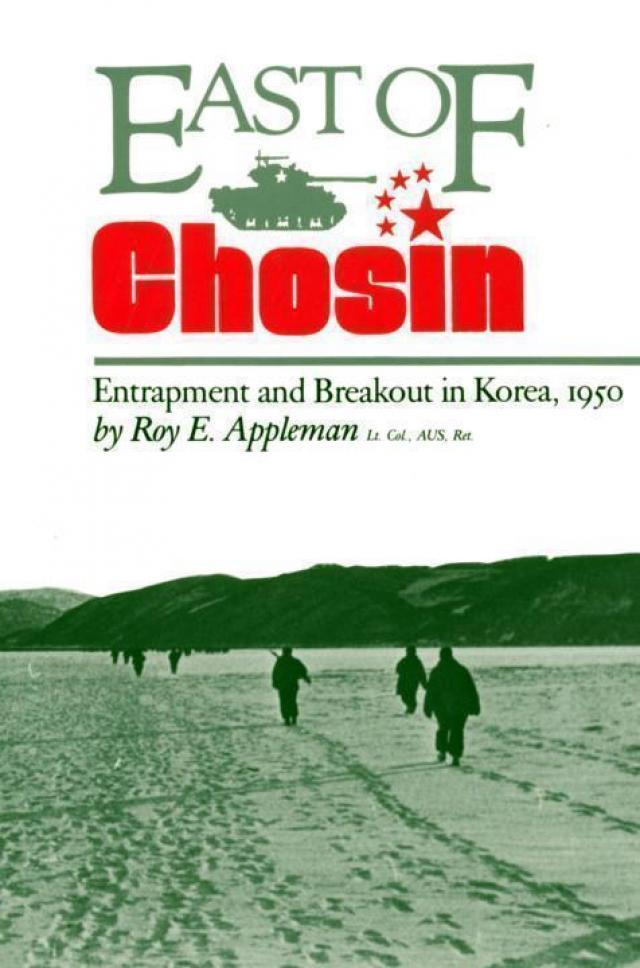
East of Chosin

East of Chosin

Roy Edgar Appleman

Roy Edgar Appleman

Roy Appleman's East of Chosin, first published in 1987, won acclaim from reviewers, readers, and veterans and their families. For the first time, there was one complete and accessible record of what happened to the army troops trapped east of the Chosin Reservoir during the first wintry blast of the Korean War. Based heavily on the author's interviews and correspondence with the survivors, East of Chosin provided some of those men with their first clue to the fate of fellow soldiers. In November of 1950, U.S. forces had pushed deep into North Korea. Unknown to them, Chinese troops well equipped for below zero temperatures and blizzard conditions were pushing south. With the 1st Marine Division on the west side of the frozen Chosin reservoir, the army's hastily assembled 31st Regimental Combat Team, 3,000 strong, advanced up the east side of the reservoir. Task Force Faith in the extreme northern position caught the surprise Chinese attack. With rifles and vehicles often immobilized in the cold and snow, the task force struggled to retreat through a tortuous mountain gauntlet of enemy fire. With truckloads of dead and wounded trapped along on the road, a few of the 385 survivors trudged across the frozen reservoir to alert the marines to their plight.
Read online
  • 505
Exes

Exes

Dan Greenburg

Dan Greenburg

A series of successful professional men are found slashed to death in their beds, apparently during sex, the presumed victims of a gay murderer. Homicide detective Max Segal is on the case, but he’s distracted by his failing marriage and an attractive journalist who is covering the case. Judy Wells has everyone fooled, including the police. She’s been methodically stalking, seducing, and murdering every man who has ever dumped her—and her revenge seems almost justified. But the FBI is closing in. Despite his troubles, Max isn’t far behind, and as the players speed toward an inevitable confrontation, readers are in for a surprising and explosive climax. Like Fear Itself and Love Kills , Dan Greenburg’s other bestselling thrillers, Exes is a terrifyingly realistic, darkly humorous, startlingly sexual, street-tough page-turner with a surprising climax.Review Praise for Dan Greenburg: “Mr. Greenburg writes an engrossing tale filled with black humor and psychologically interesting characters. Great grisly fun.” ― New York Times Book Reviews “Greenburg’s chief skill is his ability to blend comedy, horror and tragedy in the same situation.” ― Chicago Tribune “Greenburg weaves in enough plot twists and street-tough legalese to make these pages nearly turn by themselves.” ― San Francisco Chronicle “The authenticity of Exes grabs you, and the gory reality may give you nightmares. Greenburg’s talent for blending psychodrama and mystery pays off in a blockbuster thriller.” ― Houston Chronicle “It is the atmosphere of authenticity, reminiscent of Ed McBain’s 87th Precinct police procedural novels, that gives Exes its impact.” ― New York Newsday “Dan Greenburg creates a police thriller that reads as realistic as anything Joseph Wambaugh ever produced. It’s alternately absorbing, sad and funny.” ― Boston Globe --This text refers to the paperback edition. About the Author Dan Greenburg’s seventy-three books have been translated into twenty-four languages and include the two previous bestsellers in the Max Segal series, Love Kills and Exes. Dan has also written the humor books How to Be a Jewish Mother and How To Make Yourself Miserable, as well as many movies, TV shows, and Broadway shows. He’s been a stand-up comedian and a tiger tamer, among other things. To research Fear Itself, Dan spent two years with NYPD homicide cops, going to crime scenes and autopsies to check out corpses, accompanying detectives on high-speed car chases and door-busting arrests. Dan also spent several weeks doing research in maximum security prisons, interviewing convicted murderers in their cells. --This text refers to an out of print or unavailable edition of this title.
Read online
  • 503
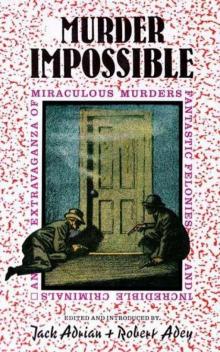
Murder Impossible

Murder Impossible

Jack Adrian (ed)

Jack Adrian (ed)

ContentsThe House in Goblin Wood - John Dickson CarrThe Other Side - Hake TalbotThe Courtyard of the Fly - Vincent CornierCoffee Break - Arthur PorgesBullion! - W Hope HodgesonProof of Guilt - Bill PronziniAn Absence of Air - Jacques FutrelleThe Impossible Theft - John F SuterIt's a Dog's Life - John LutzThe Death of Cyrus Pettigrew - Sax RohmerGhost in the Gallery - Joseph CommingsThe Missing Romney - Edgar WallaceThe House of Screams - Gerald FindlerThe Impossible Murder - Edward D HochA Nineteenth Century Debacle - George LockeA Razor in Fleet Street - John Dickson CarrDinner at Garibaldi's - Leonard PruynThe Hanging Rope - Joel Townsley RogersNow You See Her - Jeffrey WallmanThe Blind Spot - Barry PerowneChapter the Last: Merriman Explains - Alex AtkinsonAn Extravaganza of Miraculous Murders Fantastic Felonies & Incredible Despite a few weak items, MURDER IMPOSSIBLE is a "must-have" anthology for all who enjoy so-called "impossible crimes" fiction. Jack Adrian and Robert Adey have written short introductions to each of the 21 works (20 stories and a short radio play) and frequently recommend other works by the authors--works which many readers will probably try to track down. The editors seem proudest about including Joel Townsley Rogers' short novel THE HANGING ROPE (1946) and "The Other Side" (1990) by Hake Talbot (pen name of Henning Nelms). Rogers' novelette in several respects is a tour de force locked-room murder story (though I felt its style became obtrusive in a few places); Talbot died in 1986, and his piece was previously unpublished in English. One of the best locked-room murder Puzzles in this book is John Dickson Carr's "The House in Goblin Wood" (1947), which involves a plot gimmick found in many other stories--Anthony Wynne's "The Gold of Tso-fu" (1926), Agatha Christie's "The Dream" (1937), Derleth's "The Adventure of the Frightened Baronet" (1945), Knox's "The Adventure of the First Class Carriage" (1947), Hoch's "The Return of the Speckled Band" (1987), Kaminsky's "The Man from Capetown" (2001), and Davies' "The Adventure of the Whitrow Inheritance" (2008). John Lutz's "It's a Dog's Life" (1982) and Edward D. Hoch's "Captain Leopold and the Impossible Murder" (1976) are excellent Puzzle stories, respectively involving a missing weapon and a man found strangled in his car during a traffic jam. Edgar Wallace's "The Missing Romney" (1919), later incorporated into his novel FOUR SQUARE JANE, also provides an excellent challenge to the reader's wits. Leonard Pruyn's "Dinner at Garibaldi's" (1954) poses the problem of how a man who dined three times a day at a gourmet restaurant died of malnutrition. Arthur Porges's "Coffee Break" (1964) is a good arm-chair locked-room Puzzle, which most readers ought to be able to solve. Vincent Cornier's "The Courtyard of the Fly" (1937) involves the theft of pearls, and its interesting Puzzle fooled me. William Hope Hodgson's "Bullion!" (1911) is very skillfully written as far as mood and human psychology are concerned but struck me as a little weak as a Puzzle story. "The Death of Cyrus Pettigrew" (1909), a murder-on-a-train Puzzle by Sax Rohmer (pen name of Arthur Henry Ward) is just so-so. John F. Suter's "The Impossible Theft" (1964) is a fairly good Puzzle but seems to be based on an old trick used by Houdini when people would strip-search him for keys and lock-picks. Gerald Findler's "The House of Screams" (1932) strikes me as implausible, and Jacques Futrelle's "Absence of Air" (1922; aka "Vacuum"), one of the four stories Futrelle left behind in London when he boarded the TITANIC and went to his death, seems seriously flawed (Jack Adrian wisely edited Futrelle's story and put the solution at the end instead of in the middle). Bill Pronzini's "Proof of Guilt" (1973) also involves a missing murder weapon but is less plausible than Lutz's story and has a serious plot hole (no attempt was made by the police to test the suspect's hands or clothing for evidence that he had fired any gun). John Dickson Carr's radio play "A Razor in Fleet Street" (1952) seems very lame in many respects. Joseph Commings' "Ghost in the Gallery" (1949), a Senator Brooks U. Banner mystery, contains some coincidences and a solution that will probably annoy some readers. The Puzzle of Jeffrey M. Wallmann's "Now You See Her" (1971) involves the disappearance of a woman, and I had several doubts about its solution. Two of the bonus pleasures of this anthology are a pair of Parodies: Alex Atkinson's "Chapter the Last: Merriman Explains" (1951), which tweaks the nose of John Dickson Carr, and George Locke's "A Nineteenth Century Debacle" (1979), which does a clever number on the Holmes and Watson adventures. "The Blind Spot" (1945) by Barry Perowne (pen name of Philip Atkey) is my least favorite of the selections: it seems designed as a kind of prank on the reader, and although I was easily able to foresee its ending, I consider it a gyp; since it has been frequently anthologized, clearly others disagree with my low opinion. An Extravaganza of Miraculous Murders Fantastic Felonies & Incredible Despite a few weak items, MURDER IMPOSSIBLE is a "must-have" anthology for all who enjoy so-called "impossible crimes" fiction. Jack Adrian and Robert Adey have written short introductions to each of the 21 works (20 stories and a short radio play) and frequently recommend other works by the authors--works which many readers will probably try to track down. The editors seem proudest about including Joel Townsley Rogers' short novel THE HANGING ROPE (1946) and "The Other Side" (1990) by Hake Talbot (pen name of Henning Nelms). Rogers' novelette in several respects is a tour de force locked-room murder story (though I felt its style became obtrusive in a few places); Talbot died in 1986, and his piece was previously unpublished in English. One of the best locked-room murder Puzzles in this book is John Dickson Carr's "The House in Goblin Wood" (1947), which involves a plot gimmick found in many other stories--Anthony Wynne's "The Gold of Tso-fu" (1926), Agatha Christie's "The Dream" (1937), Derleth's "The Adventure of the Frightened Baronet" (1945), Knox's "The Adventure of the First Class Carriage" (1947), Hoch's "The Return of the Speckled Band" (1987), Kaminsky's "The Man from Capetown" (2001), and Davies' "The Adventure of the Whitrow Inheritance" (2008). John Lutz's "It's a Dog's Life" (1982) and Edward D. Hoch's "Captain Leopold and the Impossible Murder" (1976) are excellent Puzzle stories, respectively involving a missing weapon and a man found strangled in his car during a traffic jam. Edgar Wallace's "The Missing Romney" (1919), later incorporated into his novel FOUR SQUARE JANE, also provides an excellent challenge to the reader's wits. Leonard Pruyn's "Dinner at Garibaldi's" (1954) poses the problem of how a man who dined three times a day at a gourmet restaurant died of malnutrition. Arthur Porges's "Coffee Break" (1964) is a good arm-chair locked-room Puzzle, which most readers ought to be able to solve. Vincent Cornier's "The Courtyard of the Fly" (1937) involves the theft of pearls, and its interesting Puzzle fooled me. William Hope Hodgson's "Bullion!" (1911) is very skillfully written as far as mood and human psychology are concerned but struck me as a little weak as a Puzzle story. "The Death of Cyrus Pettigrew" (1909), a murder-on-a-train Puzzle by Sax Rohmer (pen name of Arthur Henry Ward) is just so-so. John F. Suter's "The Impossible Theft" (1964) is a fairly good Puzzle but seems to be based on an old trick used by Houdini when people would strip-search him for keys and lock-picks. Gerald Findler's "The House of Screams" (1932) strikes me as implausible, and Jacques Futrelle's "Absence of Air" (1922; aka "Vacuum"), one of the four stories Futrelle left behind in London when he boarded the TITANIC and went to his death, seems seriously flawed (Jack Adrian wisely edited Futrelle's story and put the solution at the end instead of in the middle). Bill Pronzini's "Proof of Guilt" (1973) also involves a missing murder weapon but is less plausible than Lutz's story and has a serious plot hole (no attempt was made by the police to test the suspect's hands or clothing for evidence that he had fired any gun). John Dickson Carr's radio play "A Razor in Fleet Street" (1952) seems very lame in many respects. Joseph Commings' "Ghost in the Gallery" (1949), a Senator Brooks U. Banner mystery, contains some coincidences and a solution that will probably annoy some readers. The Puzzle of Jeffrey M. Wallmann's "Now You See Her" (1971) involves the disappearance of a woman, and I had several doubts about its solution. Two of the bonus pleasures of this anthology are a pair of Parodies: Alex Atkinson's "Chapter the Last: Merriman Explains" (1951), which tweaks the nose of John Dickson Carr, and George Locke's "A Nineteenth Century Debacle" (1979), which does a clever number on the Holmes and Watson adventures. "The Blind Spot" (1945) by Barry Perowne (pen name of Philip Atkey) is my least favorite of the selections: it seems designed as a kind of prank on the reader, and although I was easily able to foresee its ending, I consider it a gyp; since it has been frequently anthologized, clearly others disagree with my low opinion.
Read online
  • 501
183